
Northwestern University's Institute for Public Health and Medicine
I recently had the opportunity to create a series of illustrations for Northwestern University’s Institute for Public Health and Medicine as part of an upcoming lookbook highlighting its research centers.
The project explored the challenge of visualizing complex, often behind-the-scenes work in public health and epidemiology, translating data, research, and human impact into a set of distinct visual narratives. Each illustration represents a different center and the unique work being done across the institute.
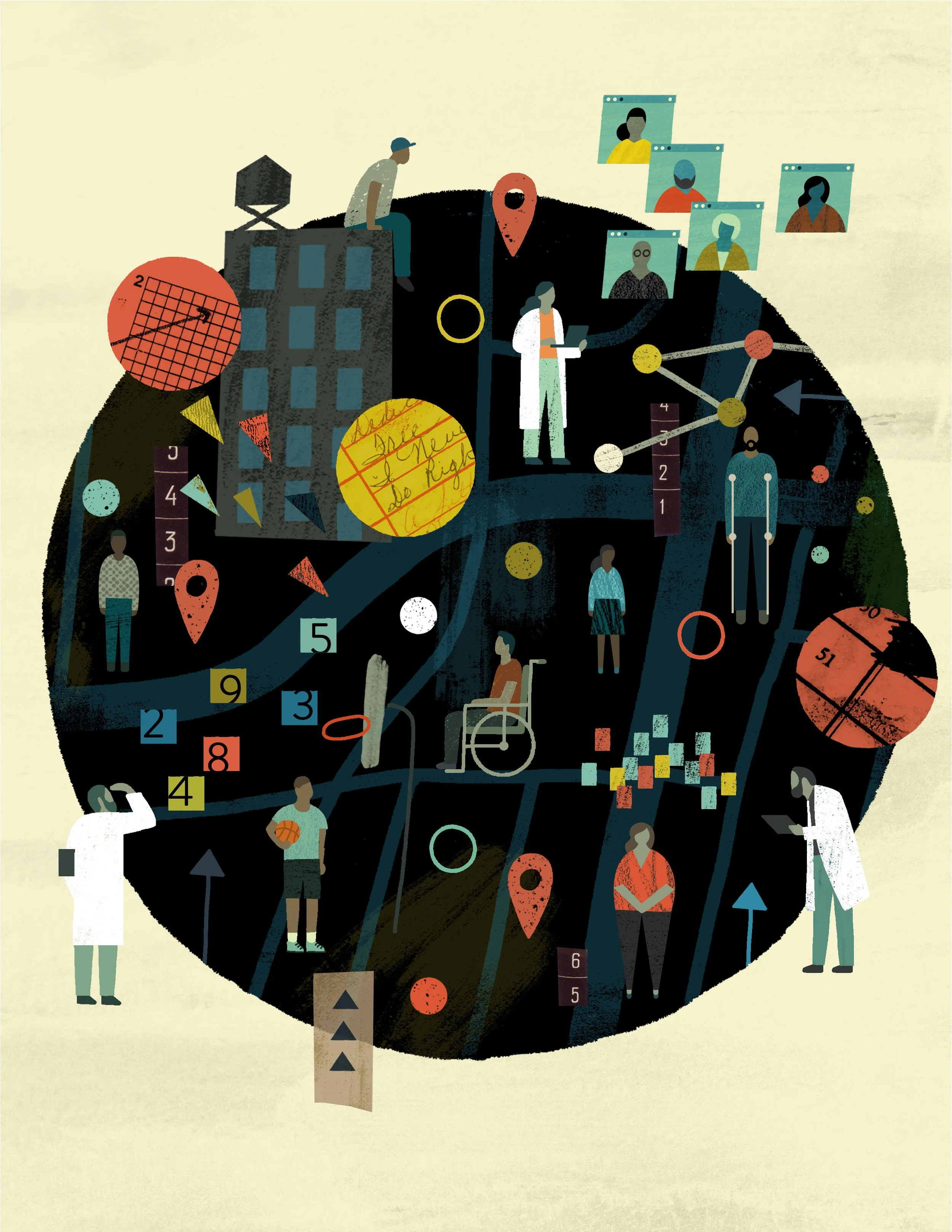
Center for Epidemiology and Population Health (CEPH)
Social environments shape health in ways most people never see. This piece explores how neighborhoods, access, and infrastructure connect to real outcomes, and how researchers map those patterns to drive change.
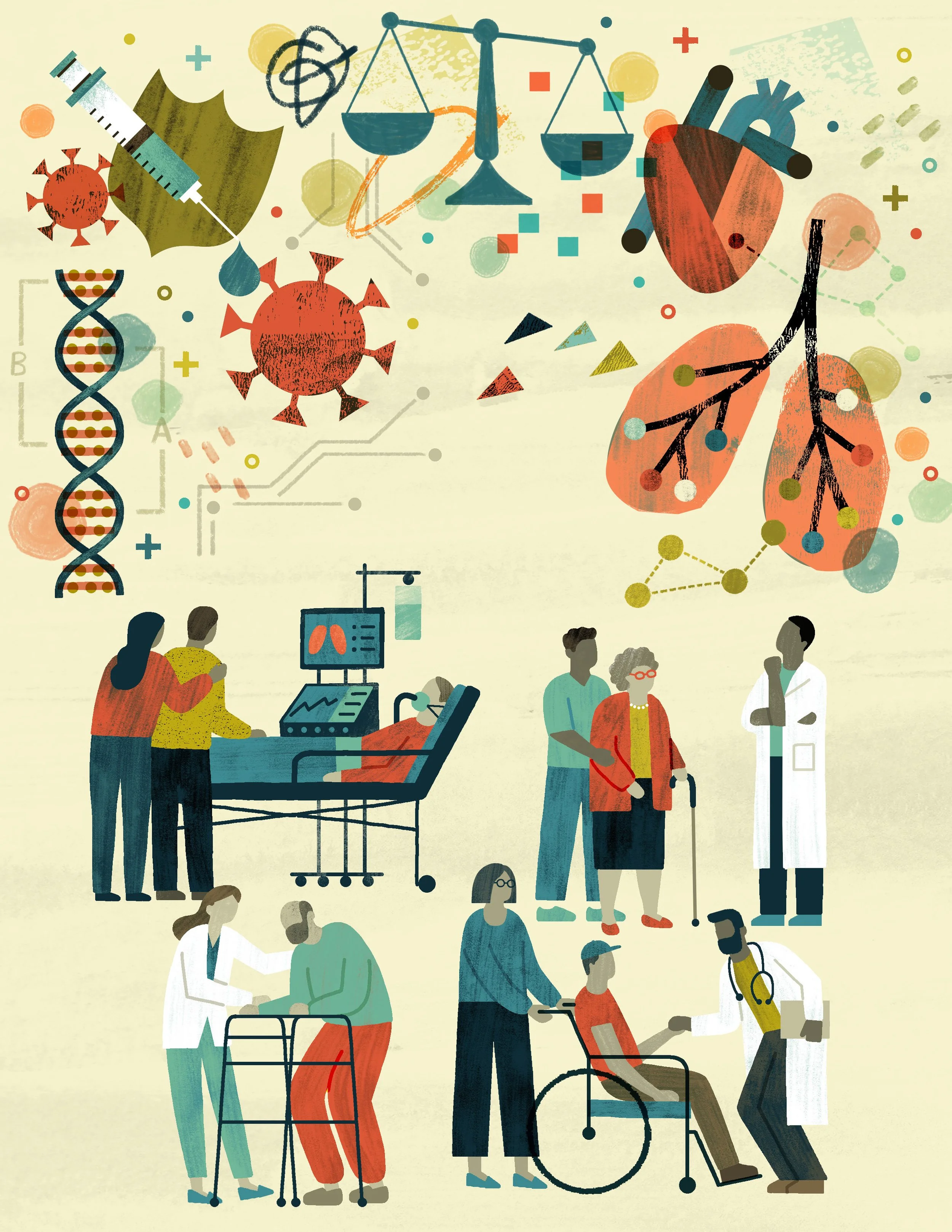
Center for Bioethics and Medical Humanities
Healthcare is more than data and decisions. This piece looks at the kinds of questions that come up every day, and how bioethics and medical humanities help navigate them.

Center for Education in Health Sciences (CEHS)
Public health education doesn’t stay in the classroom. This piece looks at how learning happens out in the city, where real experience shapes future public health leaders.
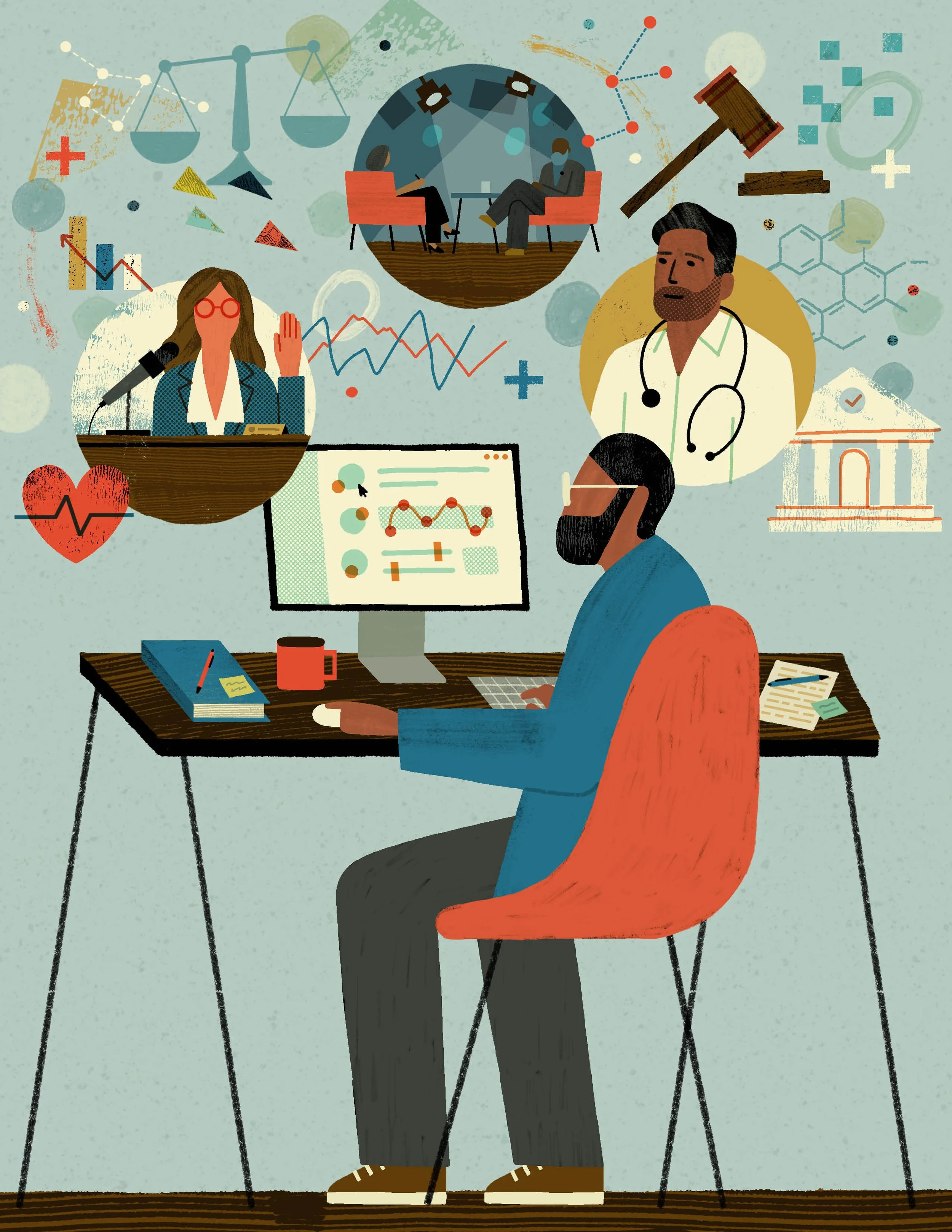
Center for Health Policy and Economics
Research doesn’t just sit in a report. This piece looks at how it moves out into the world, shaping decisions, policies, and how systems actually work.
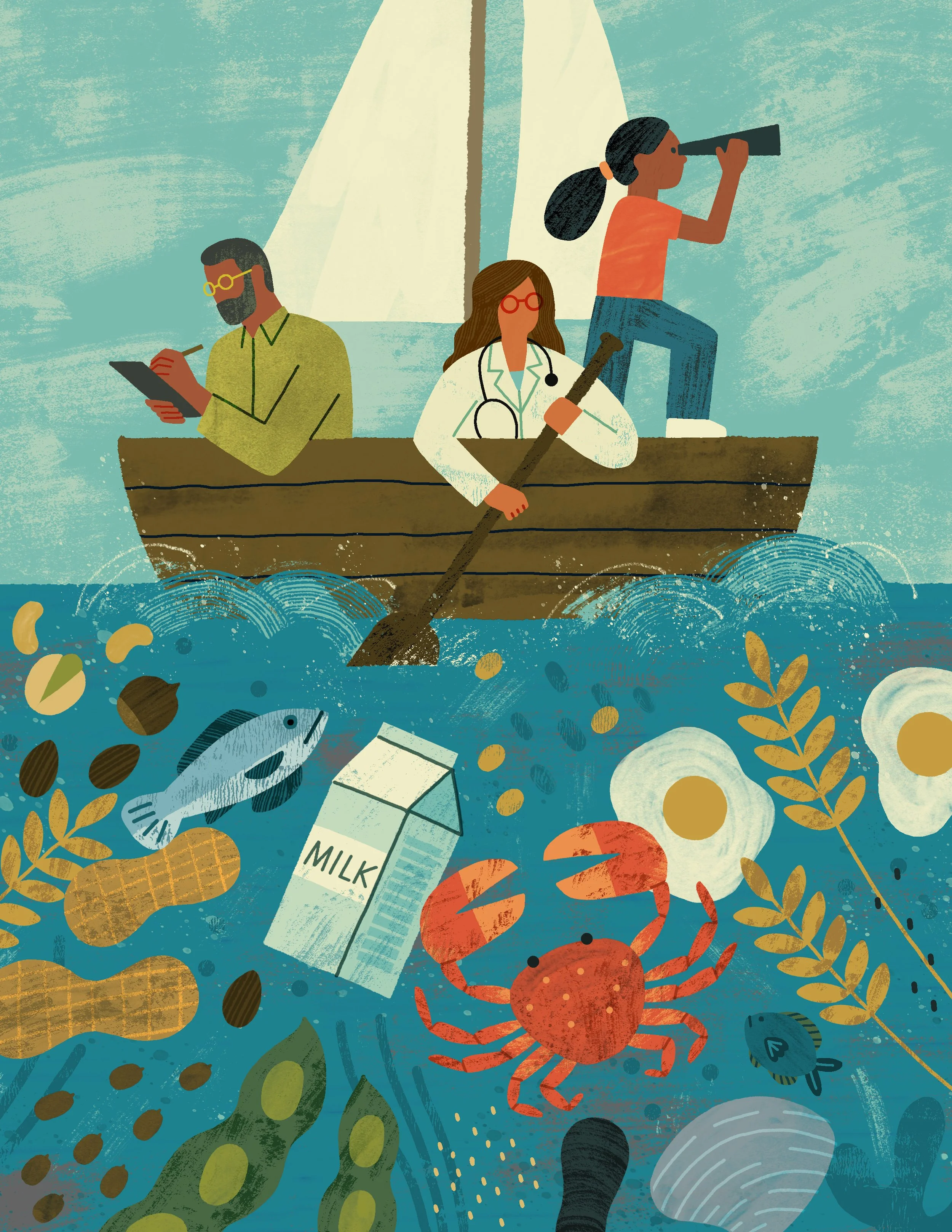
Center for Food Allergy and Asthma Research
This piece looks at how research, education, and community come together to improve life for those living with food allergies and asthma, while working toward a future where prevention and better care are available to everyone.

Center for Behavioral Intervention Technologies
Technology is often blamed for making us feel disconnected. This piece explores how digital tools can be designed to support mental health, expand access to care, and help people stay connected.
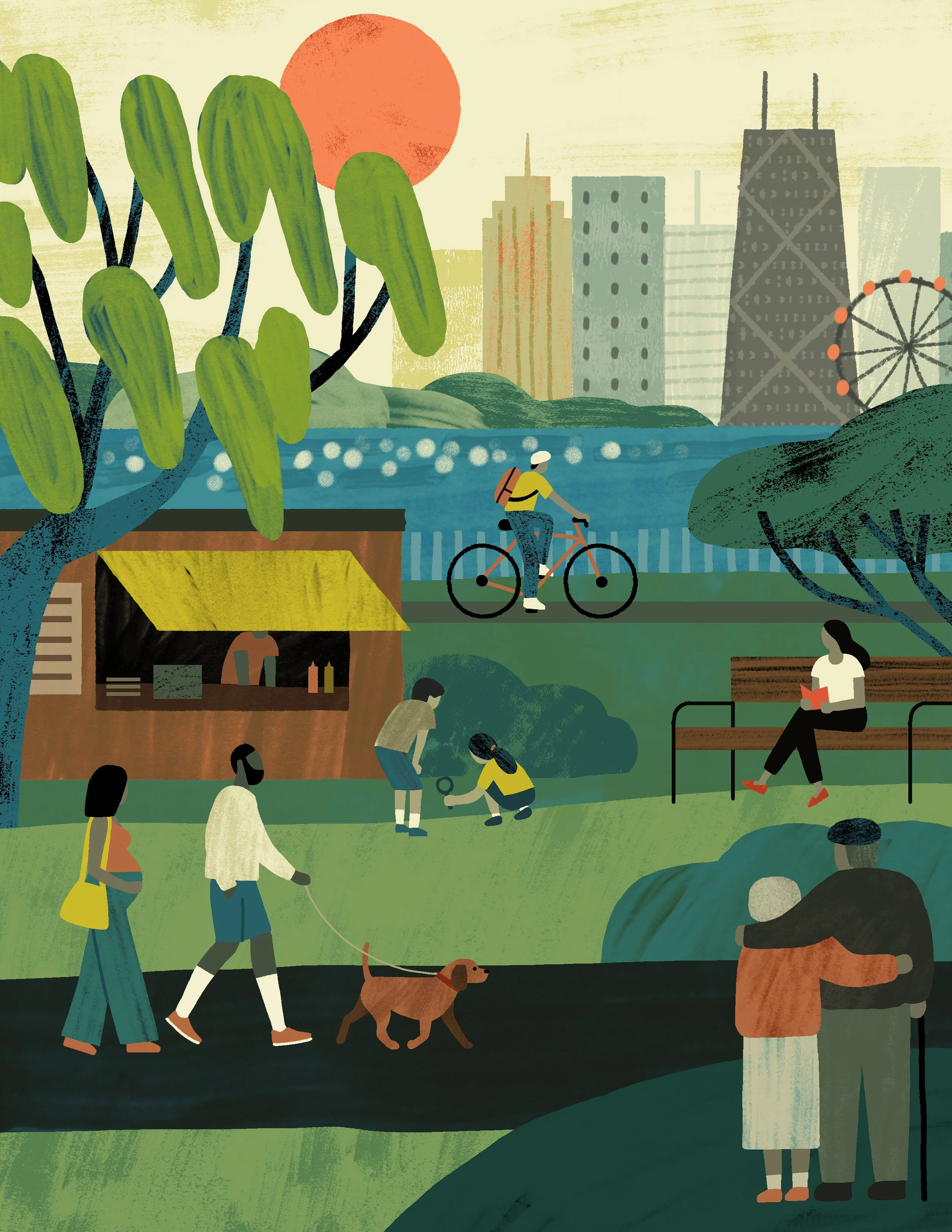
Center for Community Health
Community health starts with connection. This piece looks at how researchers and communities come together, building relationships that help shape healthier neighborhoods and better outcomes.
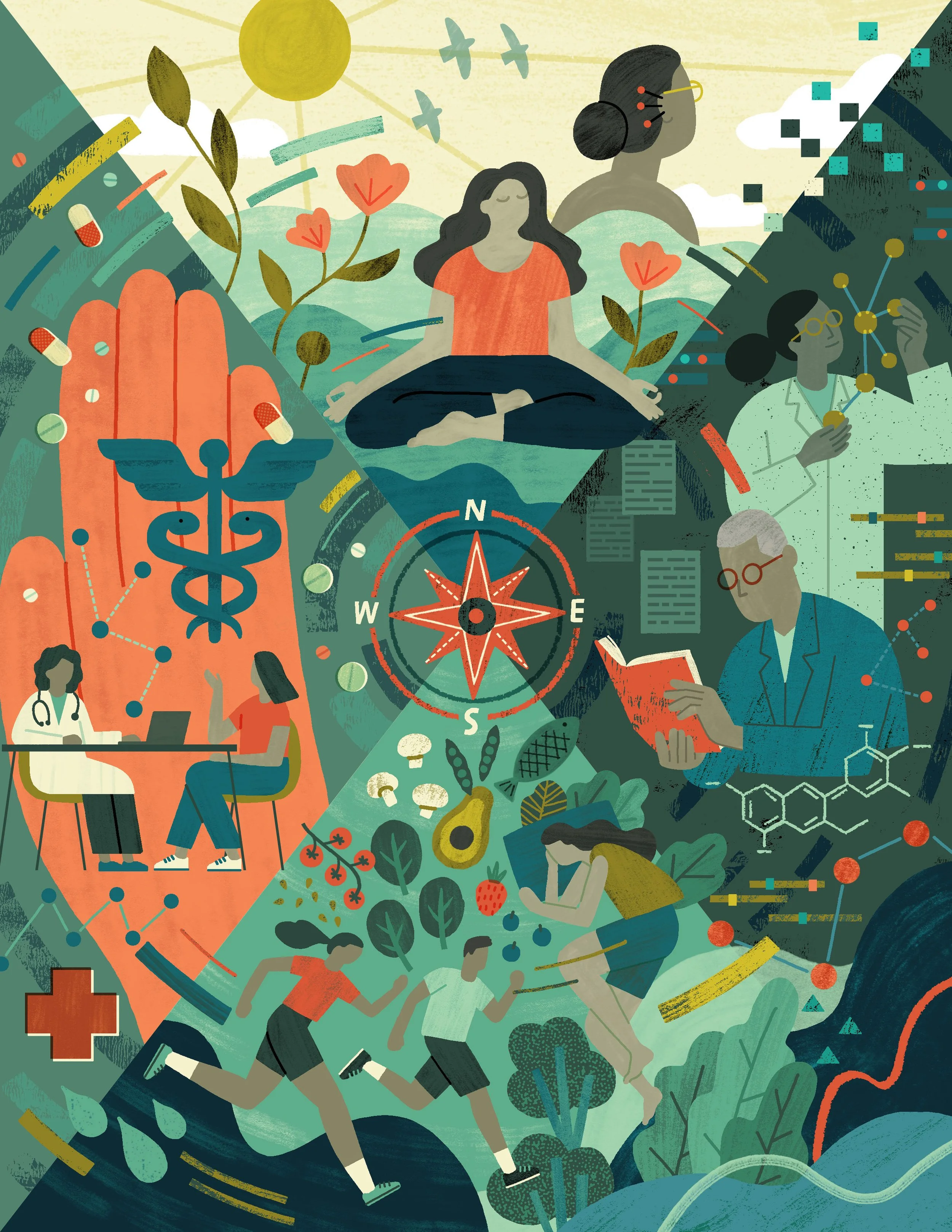
Osher Center for Integrative Health
Health is about more than treating symptoms. This piece looks at the many ways people support their health, from movement and nutrition to connection, mindfulness, and care.
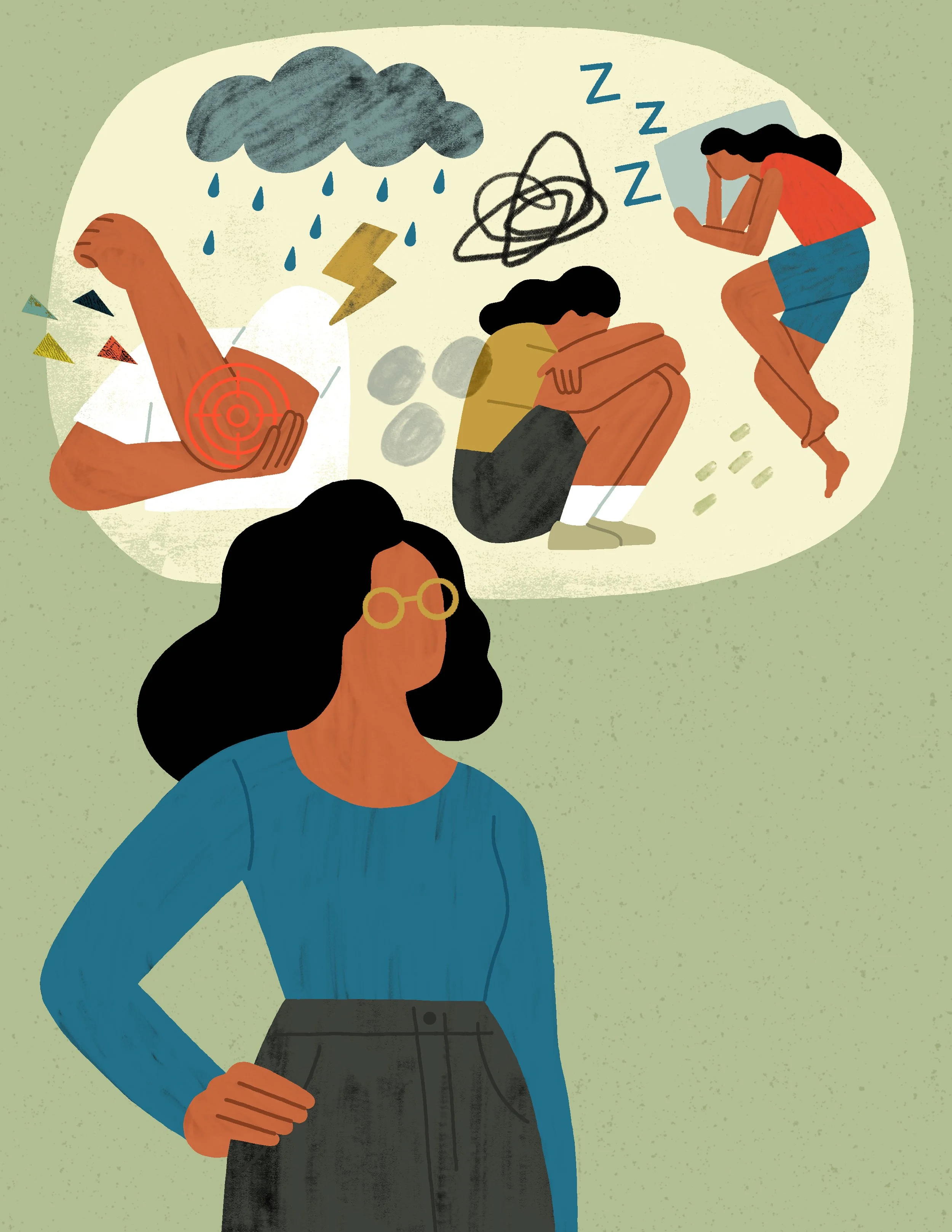
Center for Patient-Centered Outcomes
The patient is often the best source of information. This piece explores how patients help tell the story of their own health, providing insights that can lead to better care and better outcomes.
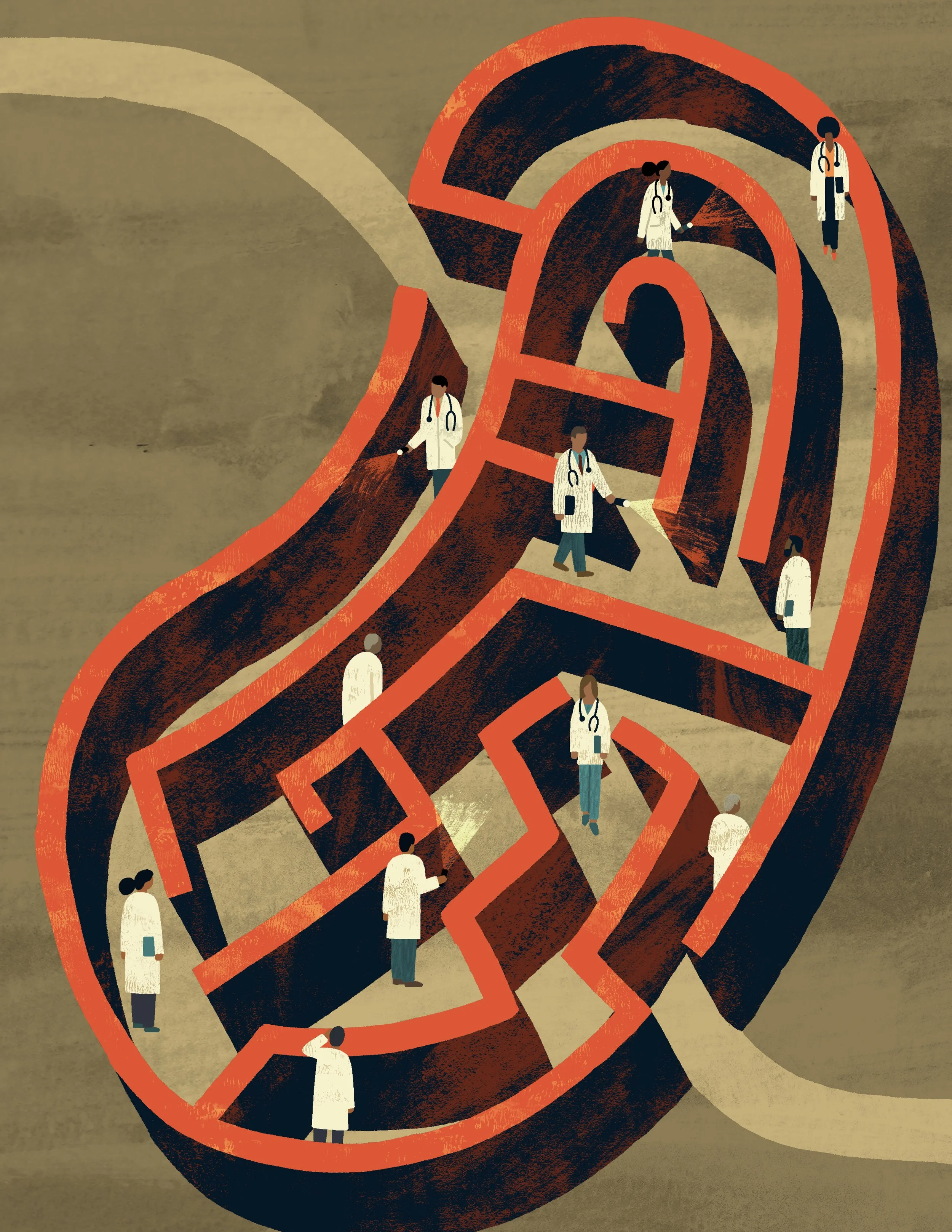
Center for Translational Metabolism and Health
Some health challenges don’t have straightforward answers. This piece reflects the challenge of navigating complex health questions and searching for new solutions.